Failing Private Pole in Kotara
If your private pole in Kotara is leaning, rotten, or carrying damaged mains, treat it as a genuine safety risk. Electrician Kotara is Level 2 ASP accredited, with 300+ five-star reviews, and responds same-day.
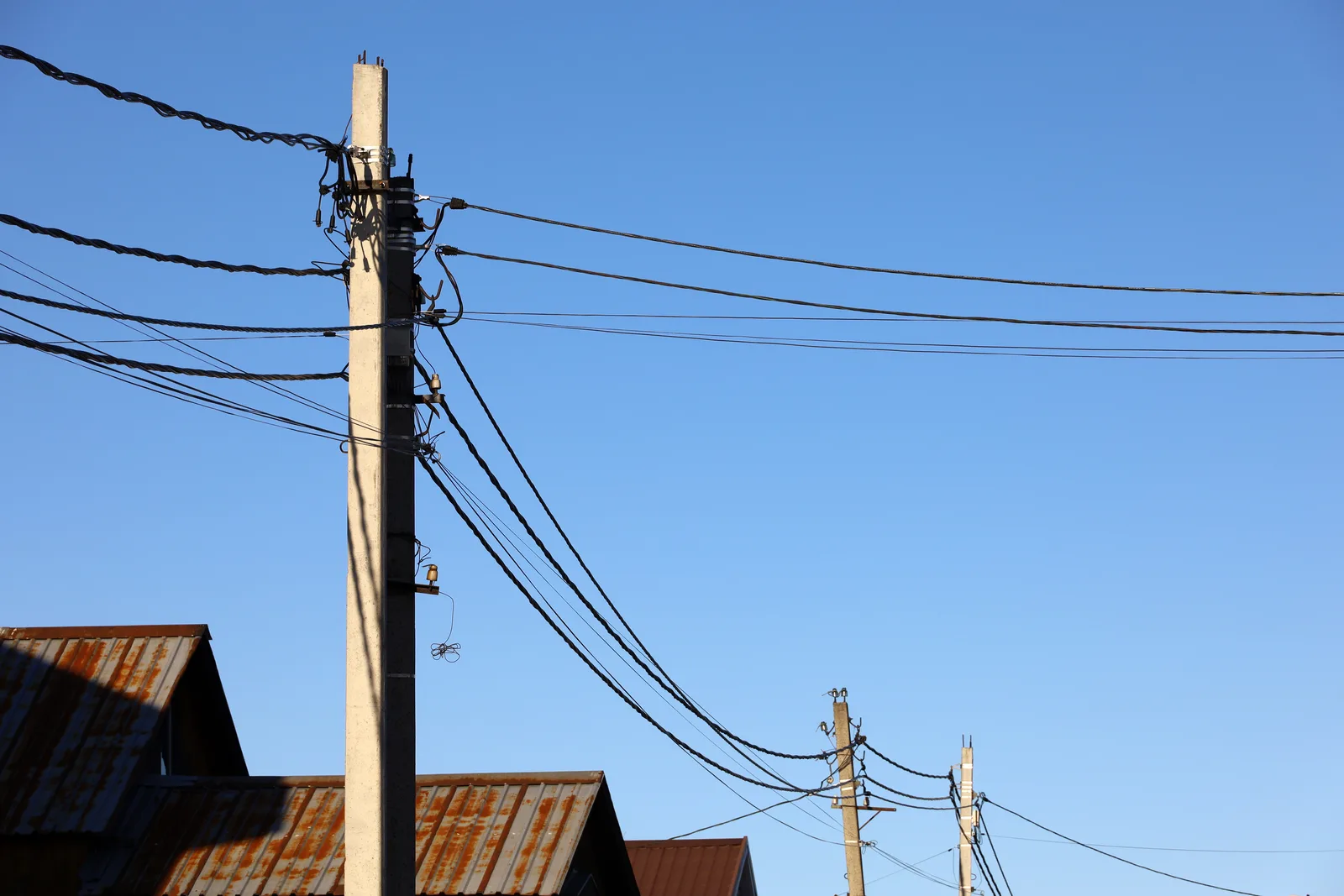
Same-Day & 24/7 Emergency
We respond fast across Kotara for a failing or unstable private pole.
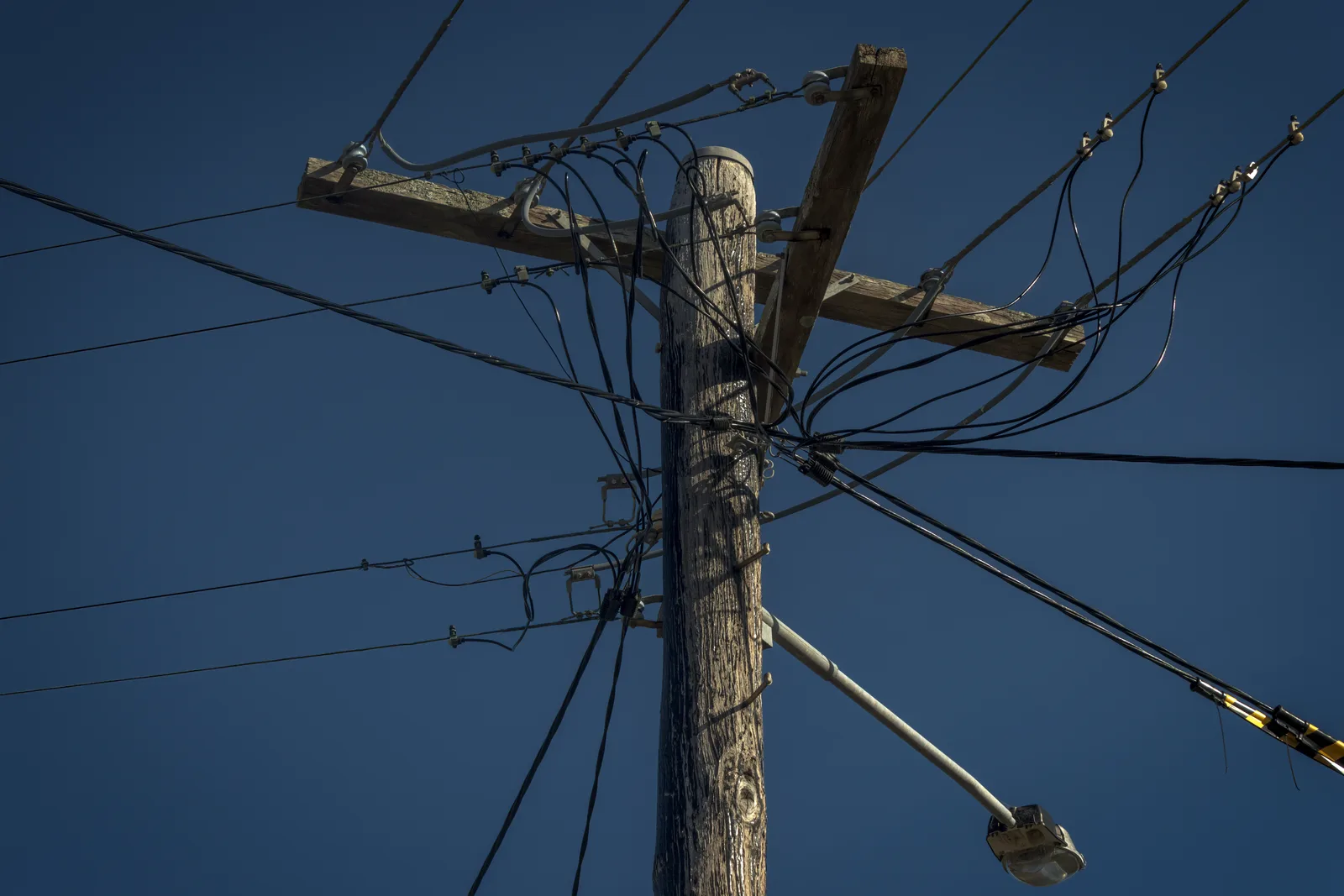
Level 2 ASP Accredited
Licensed to repair and replace private poles on the Ausgrid and Endeavour Energy networks.
300+ Five-Star Reviews
Trusted by hundreds of local Newcastle homeowners for honest work.
$0 Call-Out & Free Quotes
No call-out fee and a free, fixed quote before any work begins.
What a Failing Private Pole Actually Means
A private pole is the homeowner's own pole, separate from Ausgrid's network poles, carrying the service mains onto the property. When it rots, leans, or is damaged, the live mains it supports can come down with it. Only a Level 2 ASP is licensed to inspect and replace it under AS/NZS 3000.
Common Causes of a Failing Private Pole
Rot at the base
Timber private poles gradually rot at ground level where moisture sits longest, weakening the base until the pole starts to lean or crack.
Termite damage
Established gardens and timber structures across Kotara's older blocks can attract termites, which hollow out a timber pole from the inside over years.
Age and general deterioration
Many private poles on Kotara's post-war properties are now well past their original design life and simply wearing out.
Storm winds against a weakened pole
A pole already softened by rot or termites is far more likely to lean or fail outright once storm winds push against it and the mains it carries.
Water pooling around the base
Poor drainage on sloped Kotara blocks can pool water around a pole's footing after heavy rain, accelerating rot at the base over time.
Is a Failing Private Pole Dangerous?
Yes. A leaning or rotten pole can bring down live service mains without warning, so this is one of the few faults you should treat as urgent rather than wait and see.
- A visibly leaning pole can fail suddenly, especially in wind or after rain
- Live mains coming down with the pole are a genuine shock and fire risk
- Cracks, splits, or soft, spongy timber at the base are warning signs not to ignore
- This is Level 2 work well outside a standard electrician's licence
What To Do Right Now
If your private pole looks like it is leaning, rotten, or damaged, take these safety steps before we arrive:
- Keep well clear of the pole and any mains or wiring it carries.
- Keep children, pets, and vehicles away from the area around the pole.
- Do not attempt to push, straighten, or inspect the pole closely yourself.
- If the pole has fallen or mains are down, call emergency services (Triple Zero) and Ausgrid immediately.
- Call a licensed Level 2 ASP (Lic #451348C) to assess the pole safely.
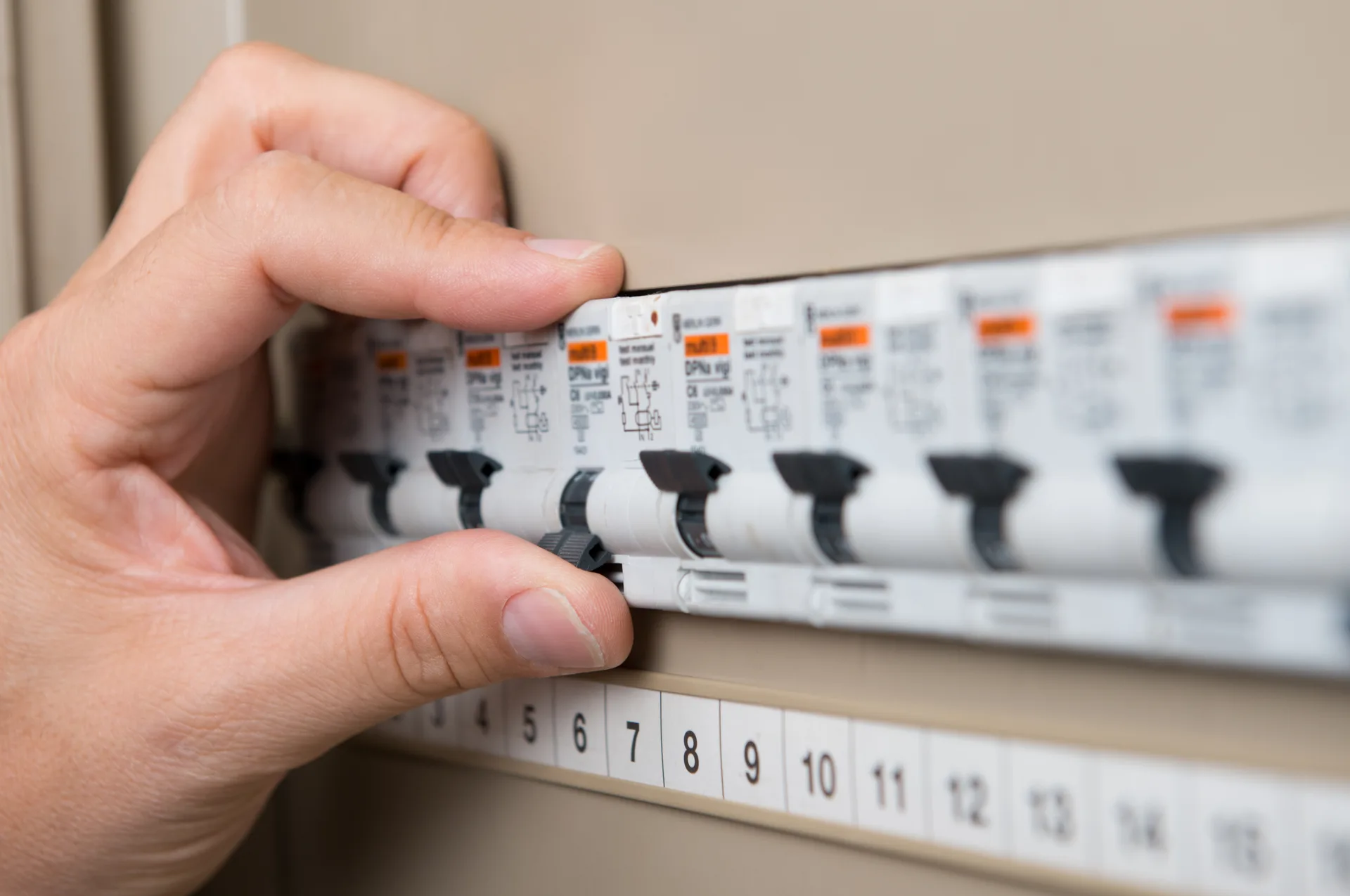
When To Call an Electrician for a Failing Private Pole in Kotara
- The pole is visibly leaning, cracked, or split
- The timber at the base feels soft, spongy, or shows signs of rot or termites
- A storm or high winds have recently put extra strain on the pole
- The mains attached to the pole look stretched, sagging, or damaged
- The pole has not been inspected in many years
Any of these at your Kotara property is a job for a Level 2 ASP, not a general electrician. We respond same-day and 24/7 for emergencies, with $0 call-out and free quotes. See our private pole and service mains work.
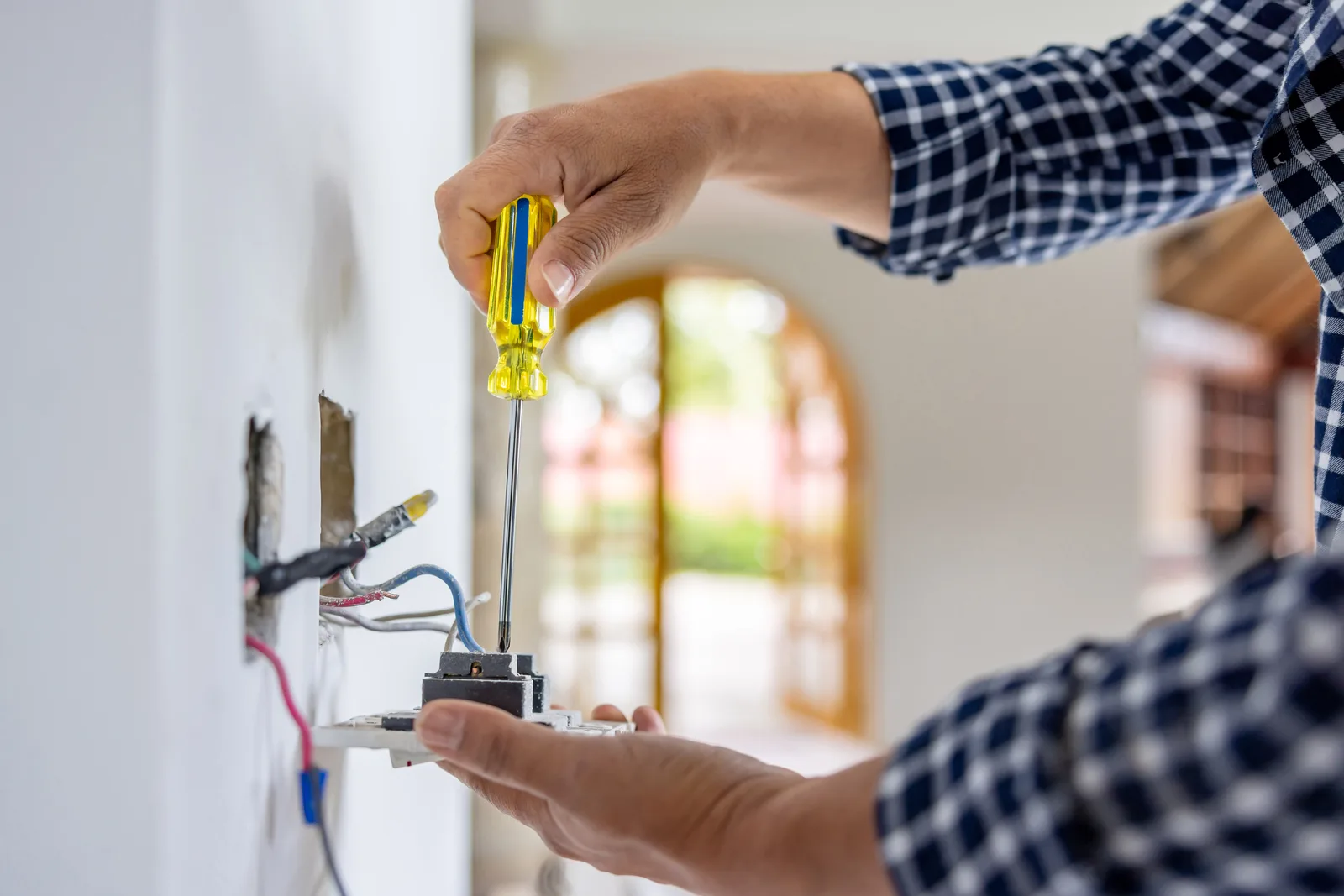
How it works
How We Fix a Failing Private Pole in Kotara
Safe Isolation
We assess the pole from a safe distance and coordinate with Ausgrid to isolate the mains it carries before any work begins.
Fault Finding
We inspect the base, timber condition, and attached mains to confirm exactly how far the pole has deteriorated.
Upfront Quote
Once the condition is confirmed, we provide a fixed, transparent quote for repair or full replacement, with no surprise costs added later.
Testing & Safety Check
Every replacement or repair is tested against AS/NZS 3000 before we finish, so the pole and its mains are confirmed safe and stable.
Why This Is Common in Kotara Homes
Kotara's post-war blocks along streets like Gregory Parade and Wallace Street often carry original private poles now decades old, with sloped drainage adding to base wear over time.
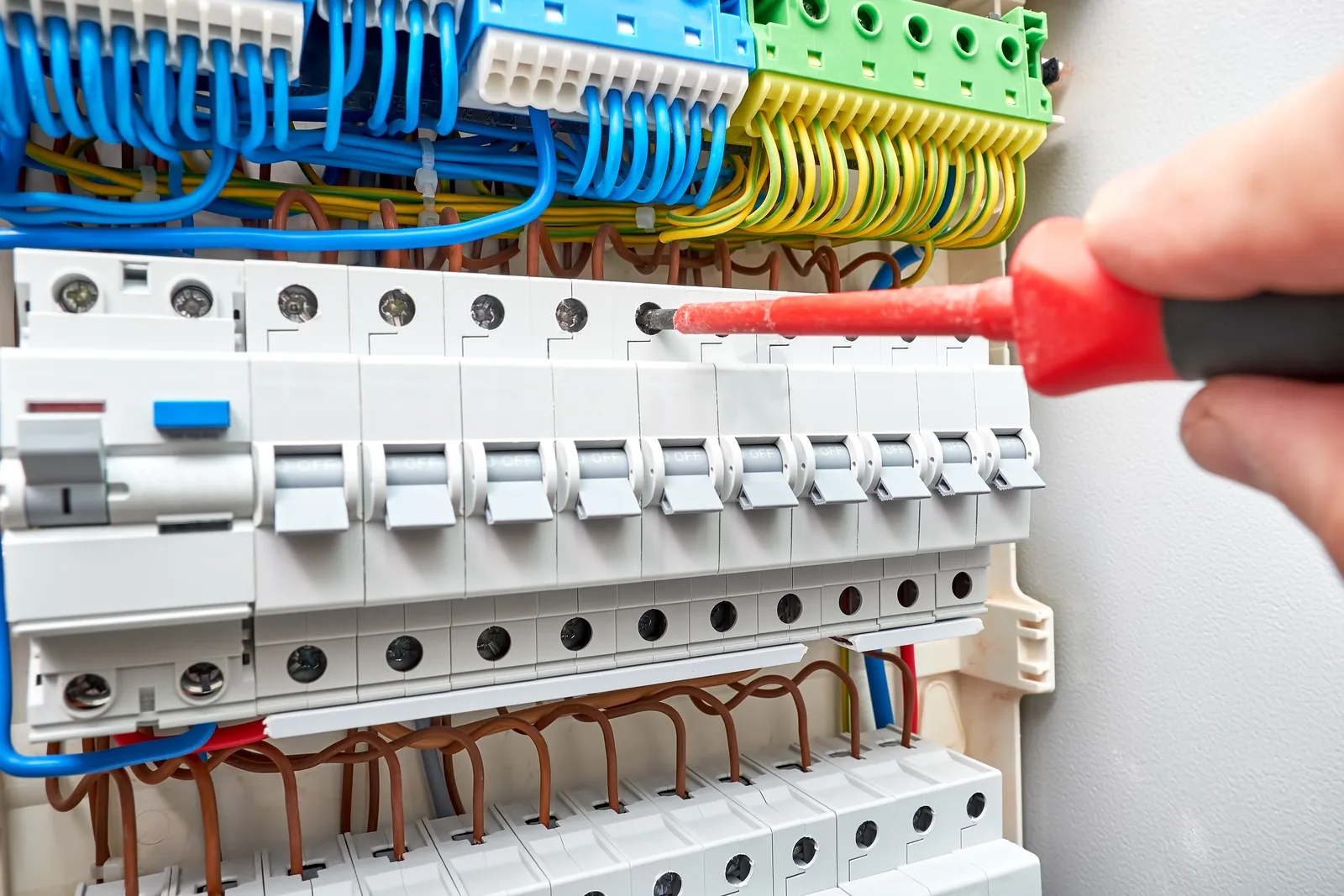
Failing Private Poles and Related Electrical Faults Across Kotara
A failing private pole often overlaps with storm-damaged mains and a sagging service line, and can lead to no power to the whole property if it fails completely. We fix all of these across Kotara, New Lambton, Adamstown, and the wider Newcastle region.
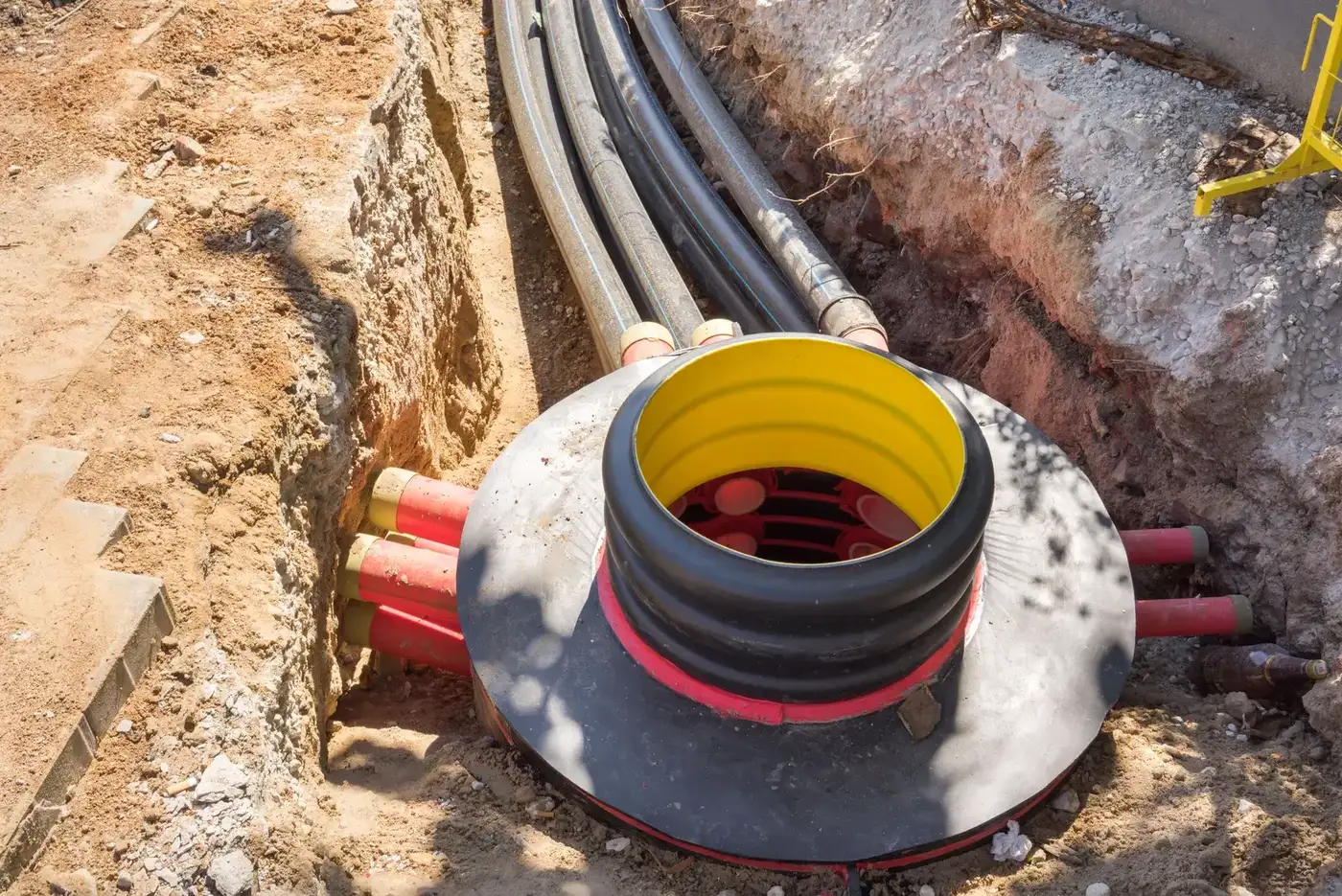
Failing Private Pole in Kotara? Call Now
Call (02) 4009 4206 for same-day, 24/7 emergency response, $0 call-out, free quotes, and fixed upfront pricing, backed by 300+ five-star reviews and Lic #451348C. Contact us or head home to learn more.
Common questions
Failing Private Pole FAQs
Real questions homeowners ask when their private pole starts to lean, rot, or show damage, answered honestly so you know what to do next.
Is a leaning or rotten private pole dangerous?
Yes. A failing private pole can bring down live mains with it, so keep well clear and call a Level 2 ASP the same day, especially after wind or rain.
What causes a private pole to fail?
Rot at the base, termite damage, age, or storm winds working against a leaning pole are the most common causes of a private pole failing.
What should I do if my private pole looks unstable?
Stay well clear of the pole and any mains it carries, keep others away, and call a licensed Level 2 ASP to assess it before it fails completely.
Do I need a Level 2 ASP to replace a private pole?
Yes. A private pole and the mains it carries are Level 2 work, only a Level 2 ASP is licensed to repair or replace it and reconnect the network.
How much does it cost to replace a failing private pole?
We provide a fixed, upfront quote once we've inspected the pole, with $0 call-out fees and a free quote, so you know the cost with no surprises.
Are ageing private poles common in Kotara?
Yes, many private poles on Kotara's post-war blocks are now decades old and reaching the end of their working life, especially on properties with longer driveways.